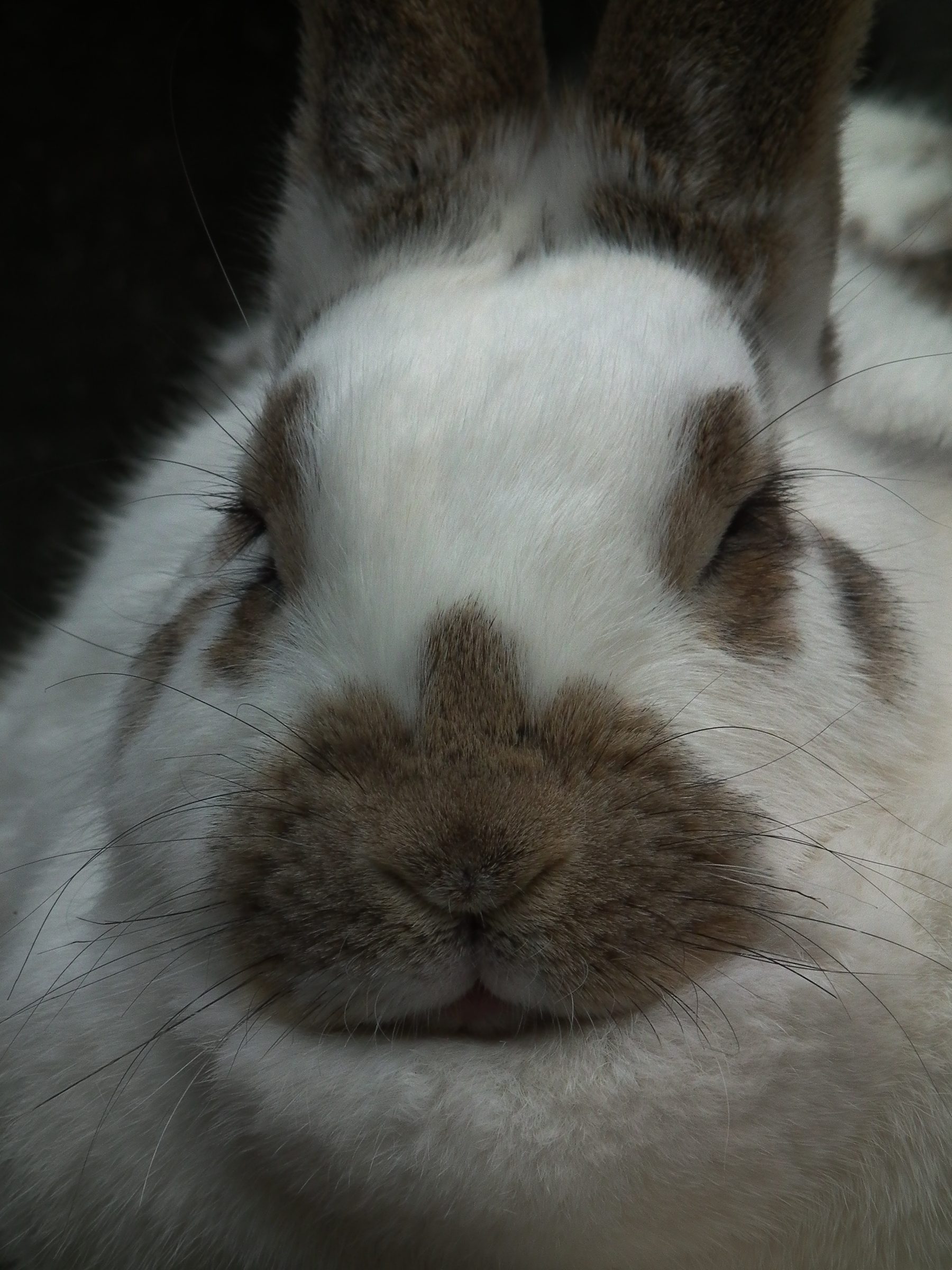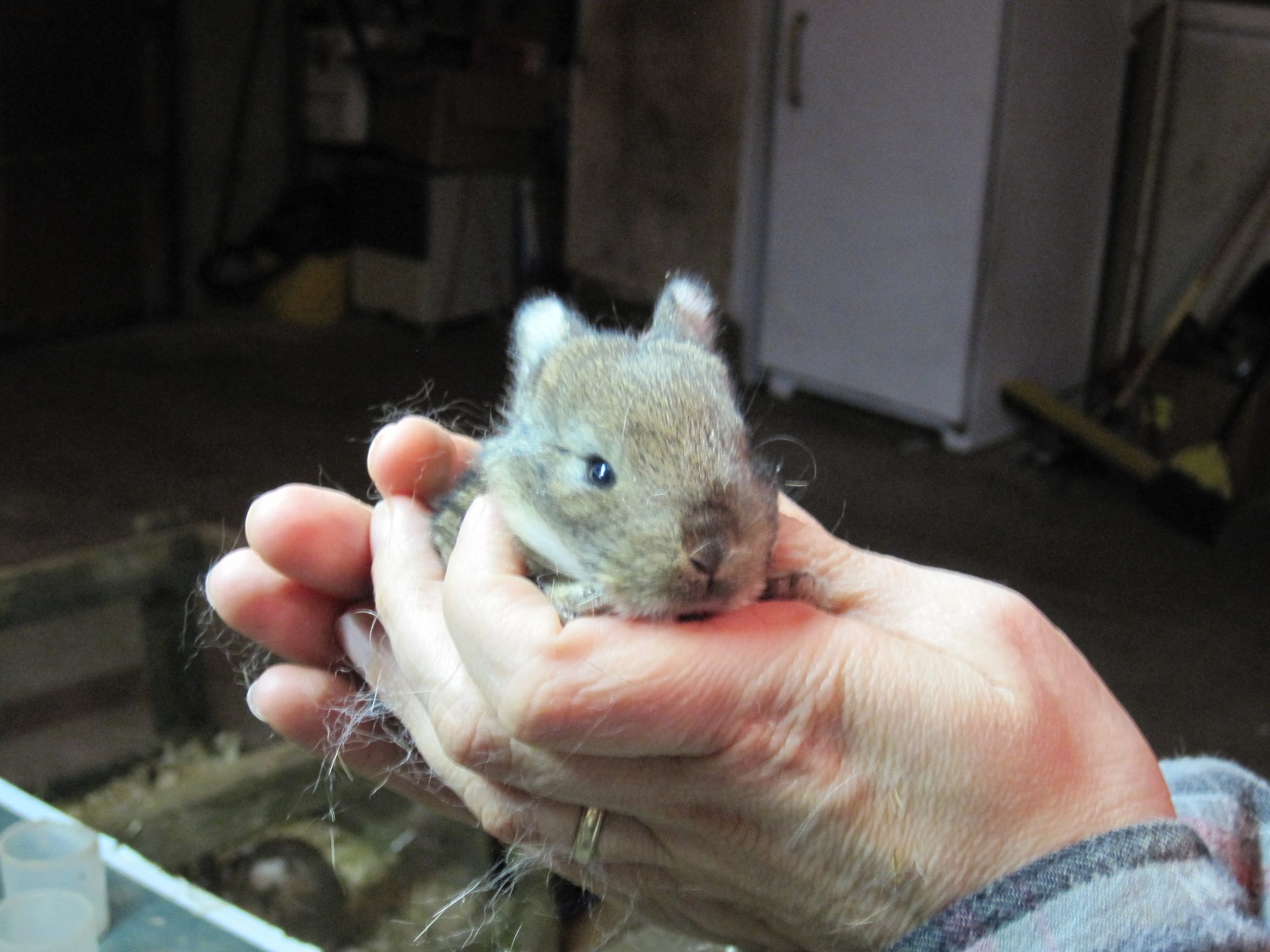
A mistake when buying your founding stock is the most expensive mistake a beginner can make, and it is very easy to make. Rabbit groups and bazaars have plenty of honest sellers, but also plenty of rabbits sold as the wrong breed, the wrong sex or the wrong age, or that are simply sick. A few simple checks protect you from most of it.
"Hybrids": the label usually means nothing
- Commercial meat hybrids such as Hyplus and Hycole are produced by crossing specific parent lines kept by the breeding company. No authorised Hyplus or Hycole distributor could be found in Uzbekistan or Kazakhstan.
- Sellers use "Hikol", "Pannon" and "Termon" interchangeably, sometimes all in the same ad. These are completely different genetics. When the words are swapped that freely, they have come to mean "big white meat rabbit" and nothing more.
- Breeding hybrids with each other loses the hybrid vigour: the offspring get smaller and less uniform. Experienced breeders on CIS forums bluntly call selling that offspring as "hybrids" fraud.
- Even genuine hybrids need full-ration pellets, good ventilation, climate control and mesh floors to perform. Fed on grain and hay, they often grow worse than ordinary breeds.
- Realistic small-farm numbers: Hycole reached about 2.3 kg at 11 weeks on small farms, not the 3.5 kg some ads promise.
Other names to be careful with:
- "Rotbraun" is not a breed. It is German for "red-brown", a colour.
- Flandre, Riesen and Flemish Giant are different names for one breed. It matures slowly: its size advantage only shows at 6–8 months, about twice as long as you would feed a Californian.
- In the CIS, "Hotot" usually turns out to be the tiny Dwarf Hotot pet rabbit.
For meat, Californian and New Zealand White are usually the practical choices for a beginner, and both can be found locally.
Sick animals at bazaars and in ads
- A newly bought rabbit is one of the most common ways RHD and other diseases get into a farm.
- Bazaar rabbits are stressed by travel, heat and crowding, and they sit next to animals from unknown farms.
- Kits that have just been weaned and moved are at their most fragile. The 20–30 days after weaning are the most dangerous period in a rabbit's life.
- Unusually cheap rabbits may be a breeder's culls: small, sick or faulty animals. Ask why they are being sold.
Age, sex and "pregnant" claims
- Age. Ask for the date of birth. A breeder who keeps records can show you the litter record. If the seller cannot tell you when the rabbit was born, assume you do not know its age. For founding does, about 3–4 months old, just after weaning, is a good age to buy: you can see how she has grown, and if she develops well she can be bred at 5–6 months.
- Sex. Check it yourself in front of the seller before you pay, or bring someone experienced. Bucks sold as does are a common complaint.
- "Pregnant" does. A doe can be checked by gently feeling her belly 10–14 days after mating, but only an experienced hand does it reliably. Ask for the mating date and ask to see her palpated in front of you. Better still, buy an open doe and mate her yourself.
- "Vaccinated". Ask which vaccine, on what date, and whether it covers RHDV2. No vaccine name and no date means you should treat the rabbit as unvaccinated.
What to check before you pay
- Clear, bright eyes; no discharge from eyes or nose; no sneezing
- Clean ears with no crusts or scabs inside (a sign of ear mites)
- Teeth that meet properly, with no overgrown incisors (an inherited fault)
- A belly that is not bloated, and normal round droppings
- A clean, dry rear end; a dirty bottom points to diarrhoea
- A dense, even coat with no bald patches
- Soles of the hind feet free of sores and blood
- A calm, alert rabbit that moves normally
- Weight that fits the breed and age: a breeding doe of a meat breed weighs 3.2–3.5 kg at breeding age
- A seller who can say clearly whether the rabbits are littermates and whether the buck and does are related
Why buy from a breeder who shows you the parents
- You see the mother's size, condition and temperament, and you can ask about her litters: how many kits she has, and whether she has ever abandoned or lost a litter.
- You see the conditions: crowding, smell, sick animals. A farm with sneezing, dirty-bottomed rabbits will sell you a rabbit just like them.
- A breeder with records can prove age and parentage and tell you which animals are unrelated.
- The price is higher than an anonymous ad, but for founding stock the difference is tiny compared with losing a herd or breeding from sick, related or mislabelled animals.
- Buy from at least three sellers, with does and bucks from different breeders.
Paying and transport
- Never send money in advance to a stranger for a rabbit you have not seen. See the animal first, then pay.
- Transport it in the cool part of the day, in a clean carrier, without mixing it with anyone else's rabbits.
- Ask what it has been eating and take a few days' supply of that feed.
- However healthy it looks, keep it in quarantine at home for 21–30 days, in a separate space with separate air.
Common mistake: Buying your whole starter group, "two does and a buck", from one seller in one visit because it is convenient. They are often littermates, so your herd starts out related. And if that farm has a disease, you have bought all of it in one go.