Useful information for rabbit farmers

Start rabbit farming the right way

From hutches to your first litter — a step-by-step path for people starting from zero.
Rabbits in hutches
A healthy rabbit kit
Feeding rabbits
A rabbit farmer at work
Decorative paw-shaped background

For rabbit farmers

QUYONCHI

Breeds and real market prices

Based on Telegram sale ads — see what each breed actually sells for.

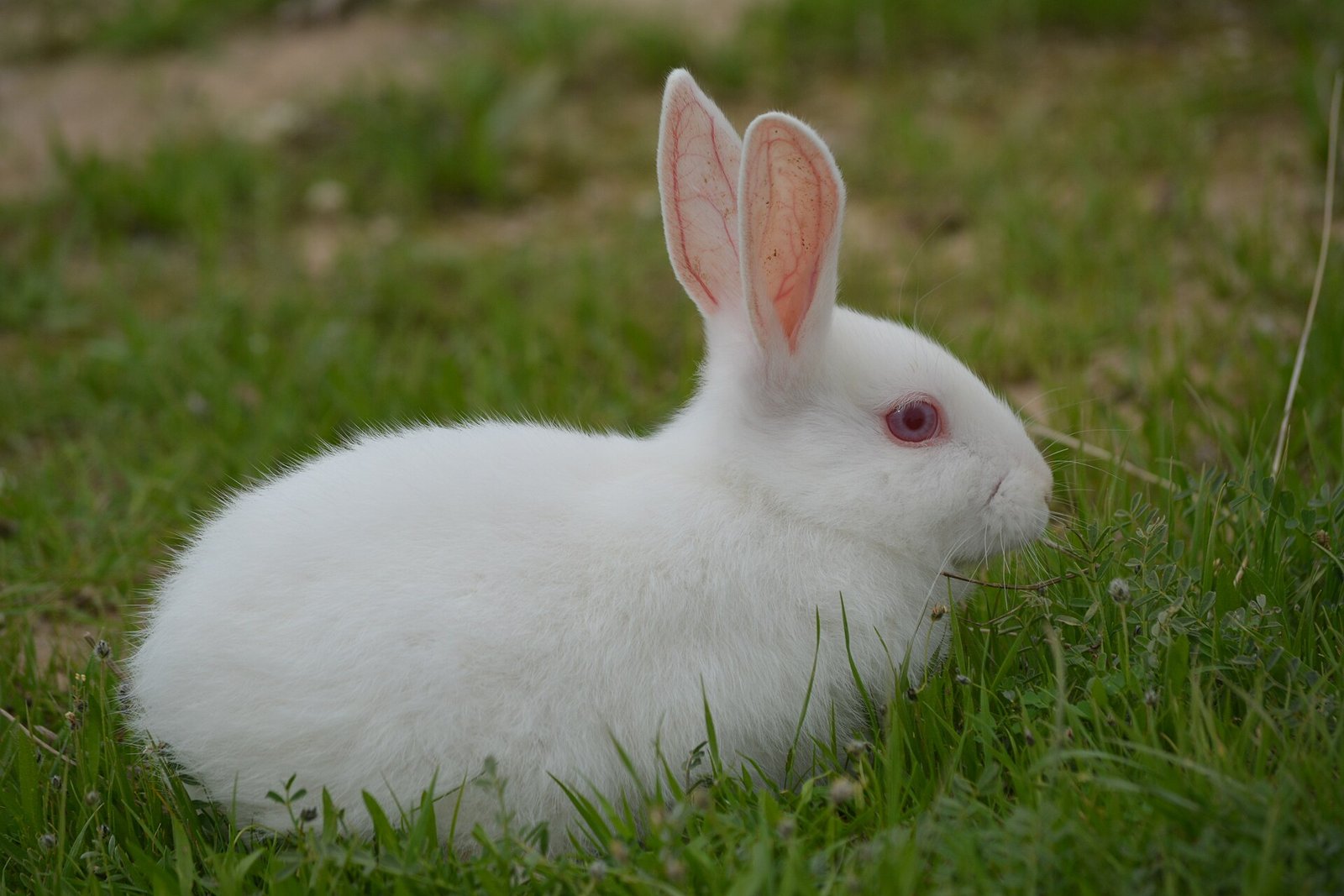
A healthy rabbit kit
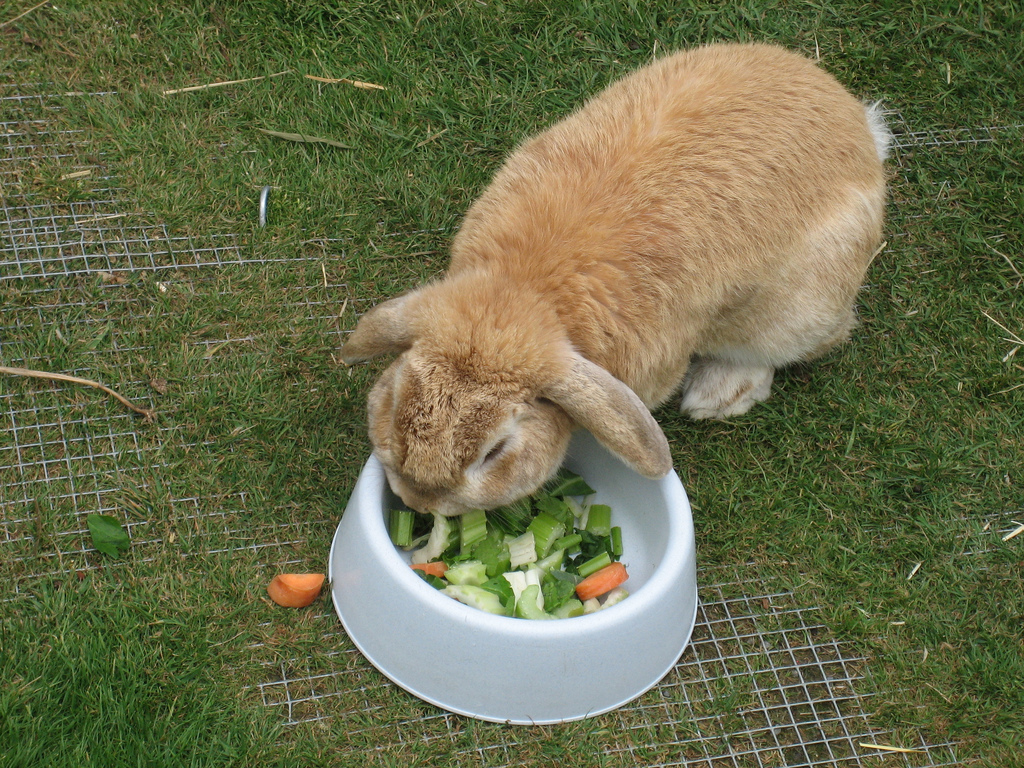
Feeding rabbits
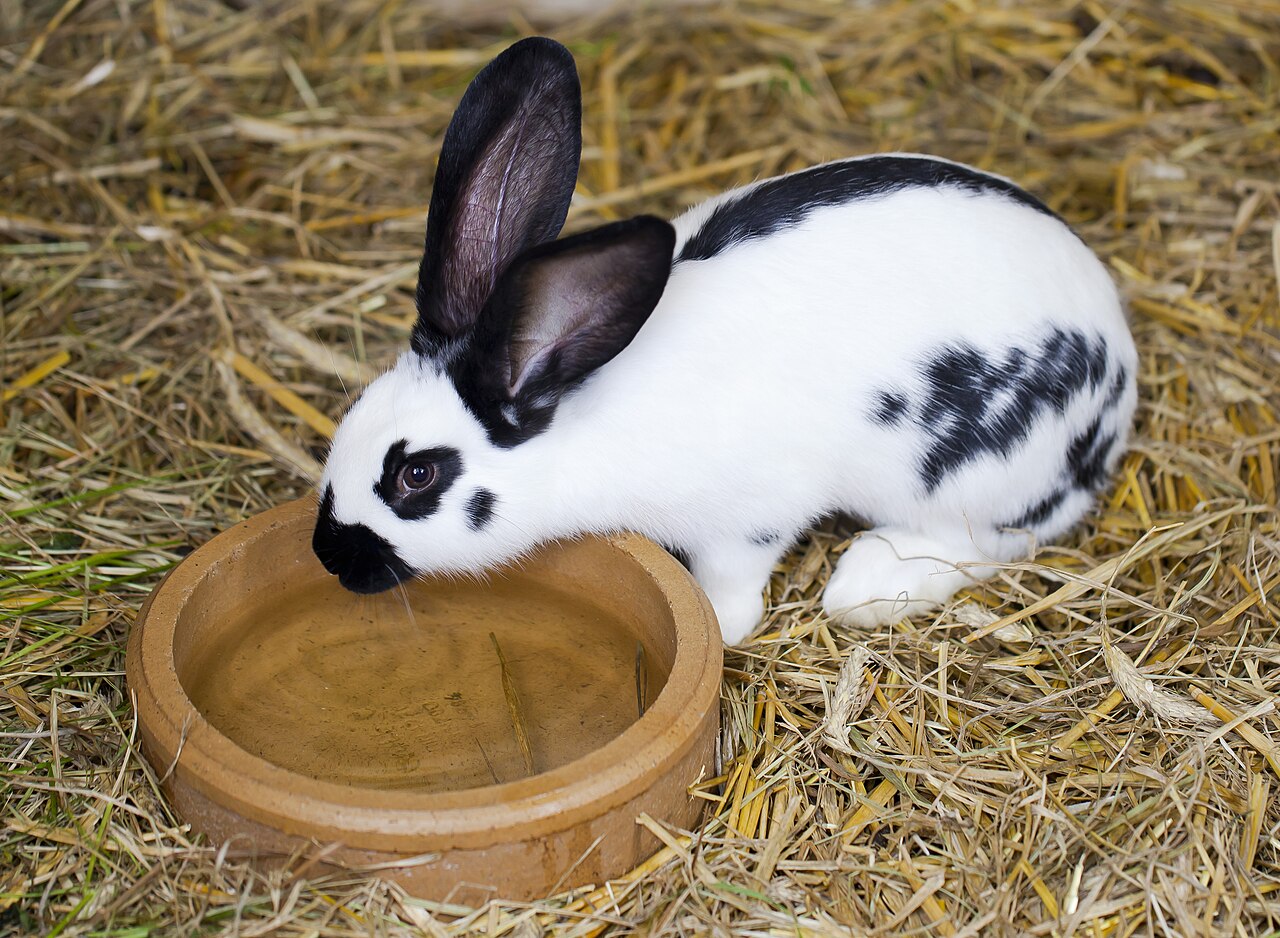
A rabbit farmer at work
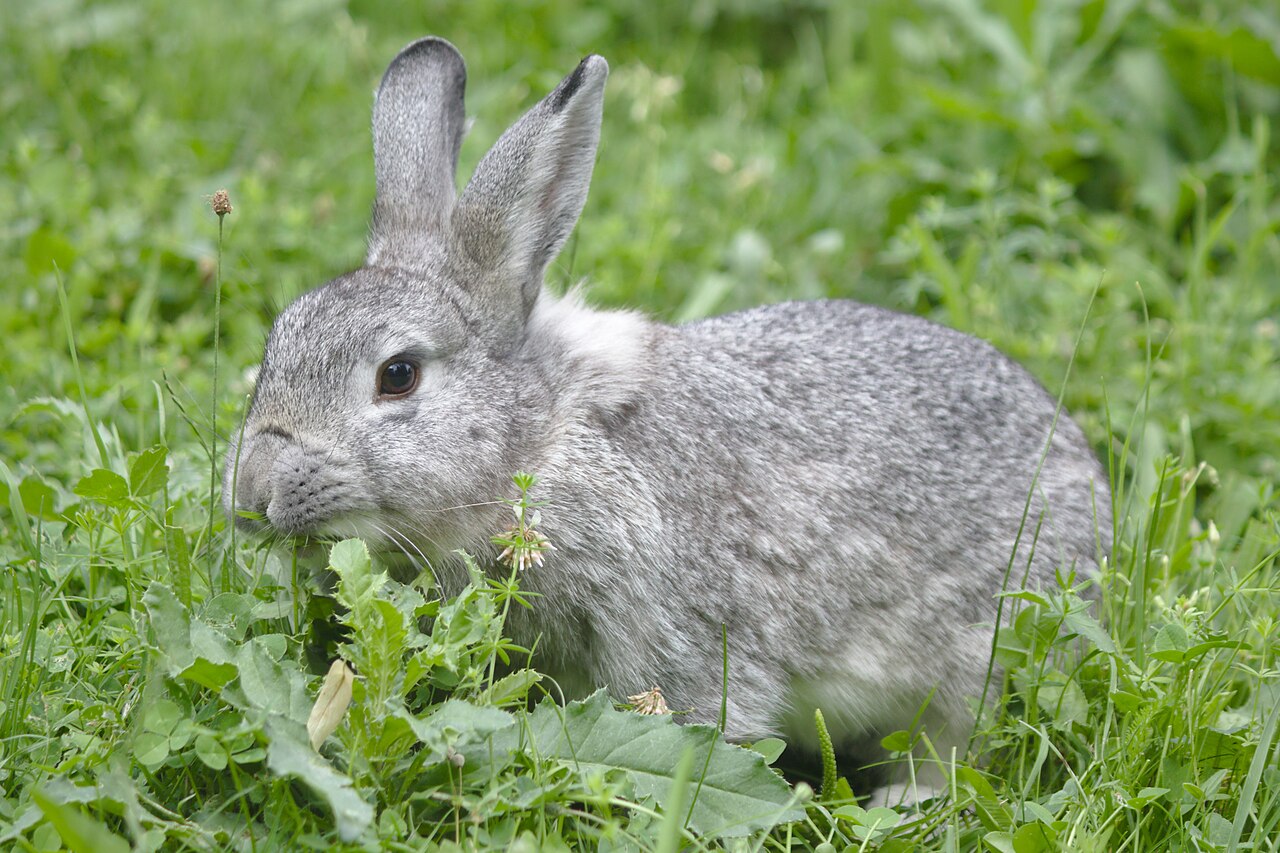
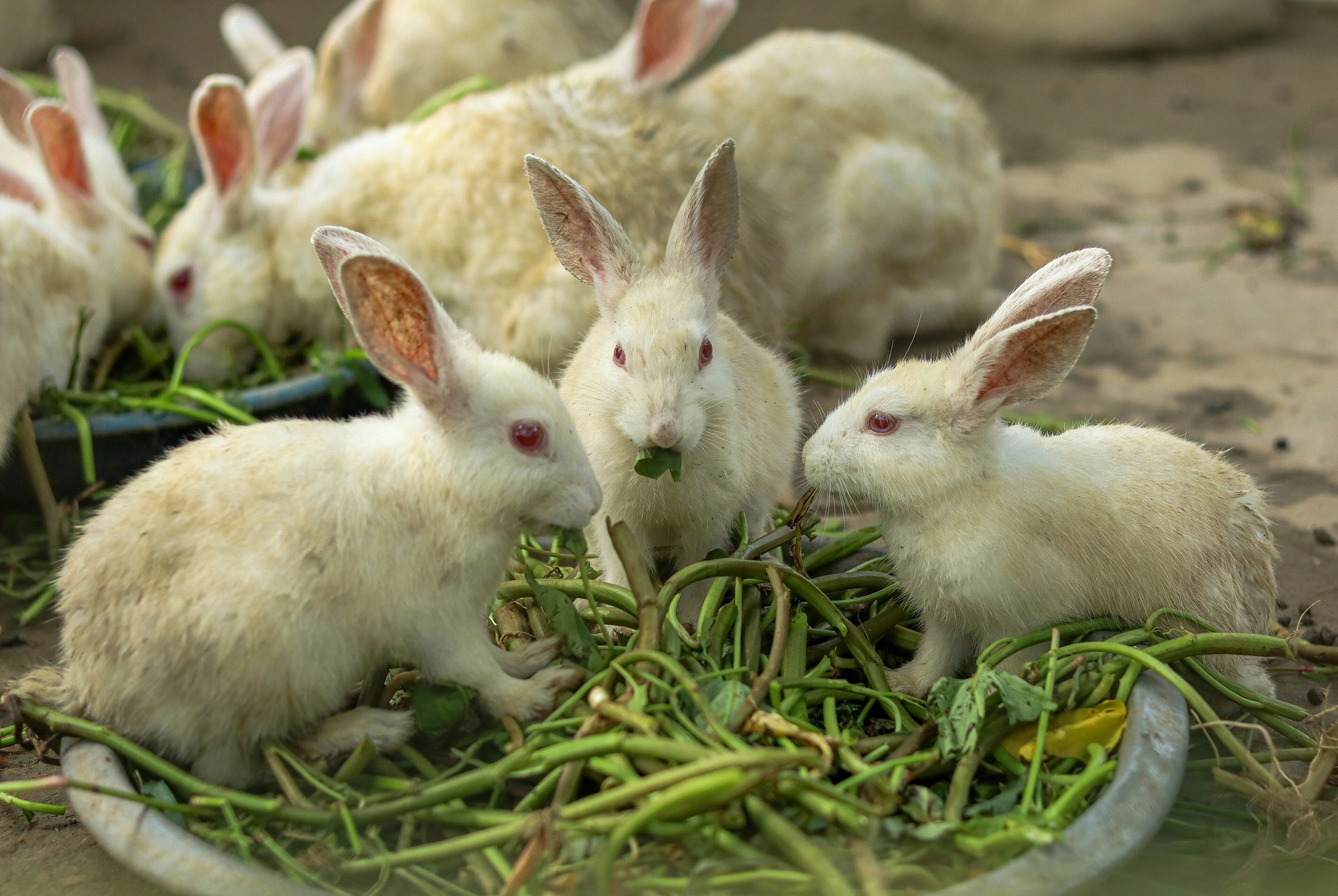
Rabbits in hutches
Decorative paw-shaped background

For rabbit farmers

QUYONCHI

Is your rabbit sick?

Recognise the symptoms and learn the first steps to take — before it spreads through the farm.

Feeding rabbits
A rabbit farmer at work
Rabbits in hutches
A healthy rabbit kit
Decorative paw-shaped background

For rabbit farmers

QUYONCHI

Popular breeds and current prices

Rabbit prices at market
11
Breeds
14 September 2026
Last updated
  • Andijan 200,000 UZS
  • Tashkent 250,000 UZS
  • Namangan 200,000 UZS
  • Fergana 250,000 UZS
View the price index

Farmers ask

Short answers to the questions rabbit farmers ask most.

My rabbit is sneezing and has white discharge from the nose — what is it and what should I do?

This is most often pasteurellosis, a contagious bacterial infection people call a cold; the inside of the front paws becomes wet and sticky from wiping the nose. Separate the sick rabbit at once, because it spreads quickly. Fix the cause as well: ammonia from wet, dirty bedding, drafts and dusty hay all damage the airways. Let a vet choose the medicine, since some human antibiotics upset a rabbit’s gut and can kill it, and do not breed from rabbits that have had the disease.

Why do kits die one after another at about a month old, after weaning?

This is the most dangerous age: kits are moving from milk to solid feed and their gut is still fragile. Common causes are: - sudden feed changes, wet or large amounts of greens, lots of grain without hay; - coccidiosis in dirty, damp cages (big belly, diarrhea, weight loss); - overcrowding and heat. Introduce new feed gradually over 5–7 days, keep hay and clean water available at all times, and remove droppings daily. If several kits die, take a chilled body to a veterinary laboratory, because treatment without knowing the cause rarely helps.

Can I give antibiotics or injections myself, the way people in groups advise?

It is not recommended. Rabbits are very sensitive: guessing the dose, confusing milligrams with milliliters, or using the wrong antibiotic from a human pharmacy can kill a rabbit instead of curing it. Different diseases also look alike, and the wrong drug only hides the real cause. Contact a vet or the district veterinary station, and bring photos, video, the rabbit’s age and weight, and when the signs began. Do not eat meat from a treated rabbit until the withdrawal period the vet gives you has passed.

How do I start a rabbit farm, and how many rabbits should I begin with?

For the first year, 3–5 does and 1–2 bucks are enough to learn a full cycle of mating, kindling and raising kits at low risk. The bucks should be unrelated to the does and to each other, or inbreeding becomes a problem in the next generation. Before buying, have the cages, a constant supply of clean water, a feed source and a local vet’s contact ready. Write down every mating and kindling date; over time these records become the most useful thing on the farm.

Which rabbit breed is best for meat?

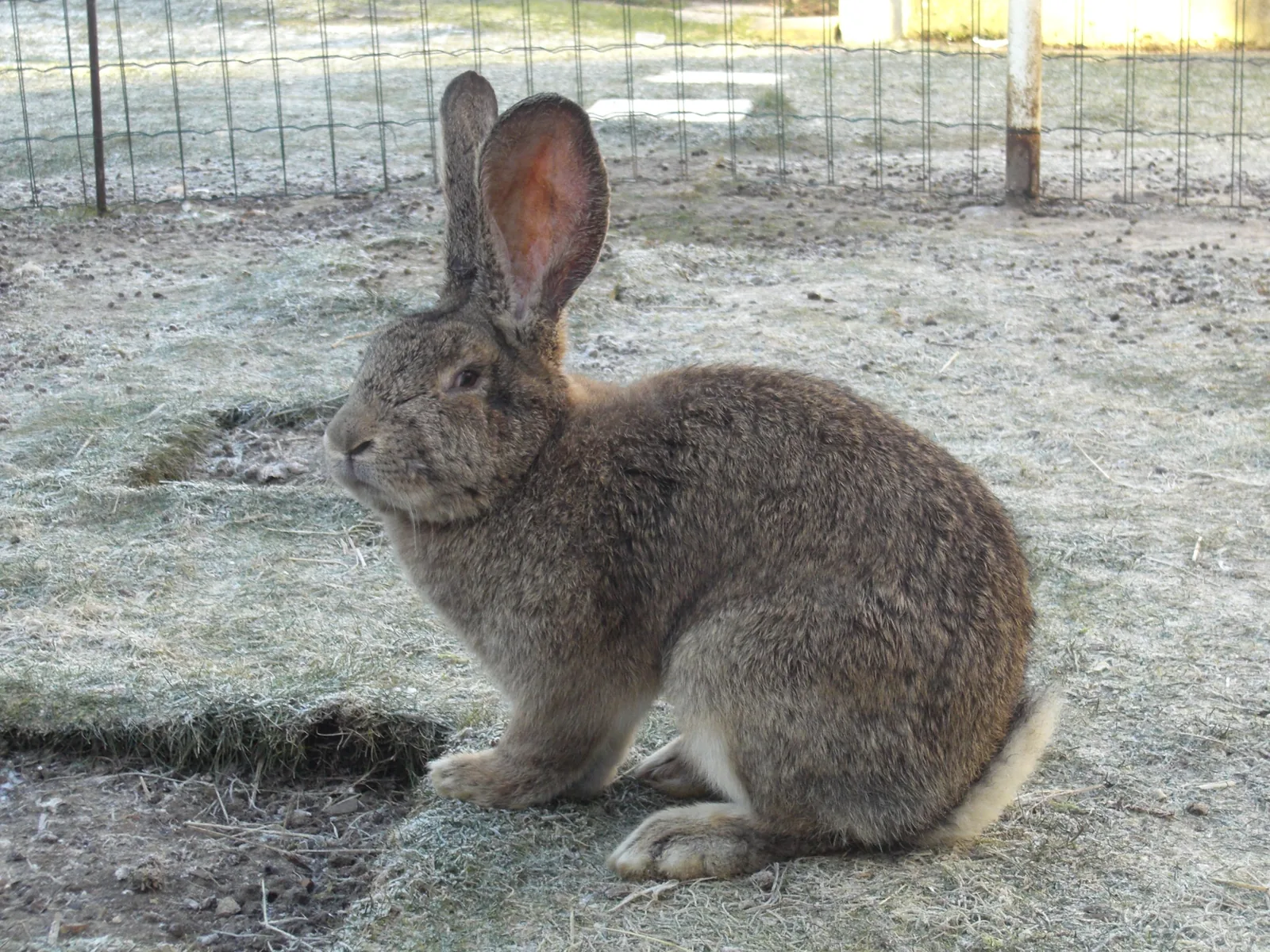
For beginners, medium meat breeds such as the Californian and the New Zealand White are the easiest choice: they grow fast and reach slaughter weight at 2.5–3 months. Giant breeds like the Flemish Giant grow big but mature more slowly, eat more feed and cope worse with heat. Hybrids such as Hycole grow very fast but need balanced feed and good conditions. More important than the breed is buying from a healthy herd and keeping as breeders the animals that stay fertile through the summer.

How heavy does a rabbit get, and how long does it take to grow?

Weight depends on the breed: adult Californians and New Zealand Whites weigh about 4–5 kg, while giant breeds such as the Flemish Giant reach 6 kg or more. A well-fed young meat rabbit gains about 30–40 g a day and reaches 2.3–2.5 kg live weight at 70–90 days. Giant breeds take up to 8–9 months to finish growing. A rabbit that loses weight or stops growing usually has a health, parasite or diet problem that needs finding.

Latest articles

uzruen