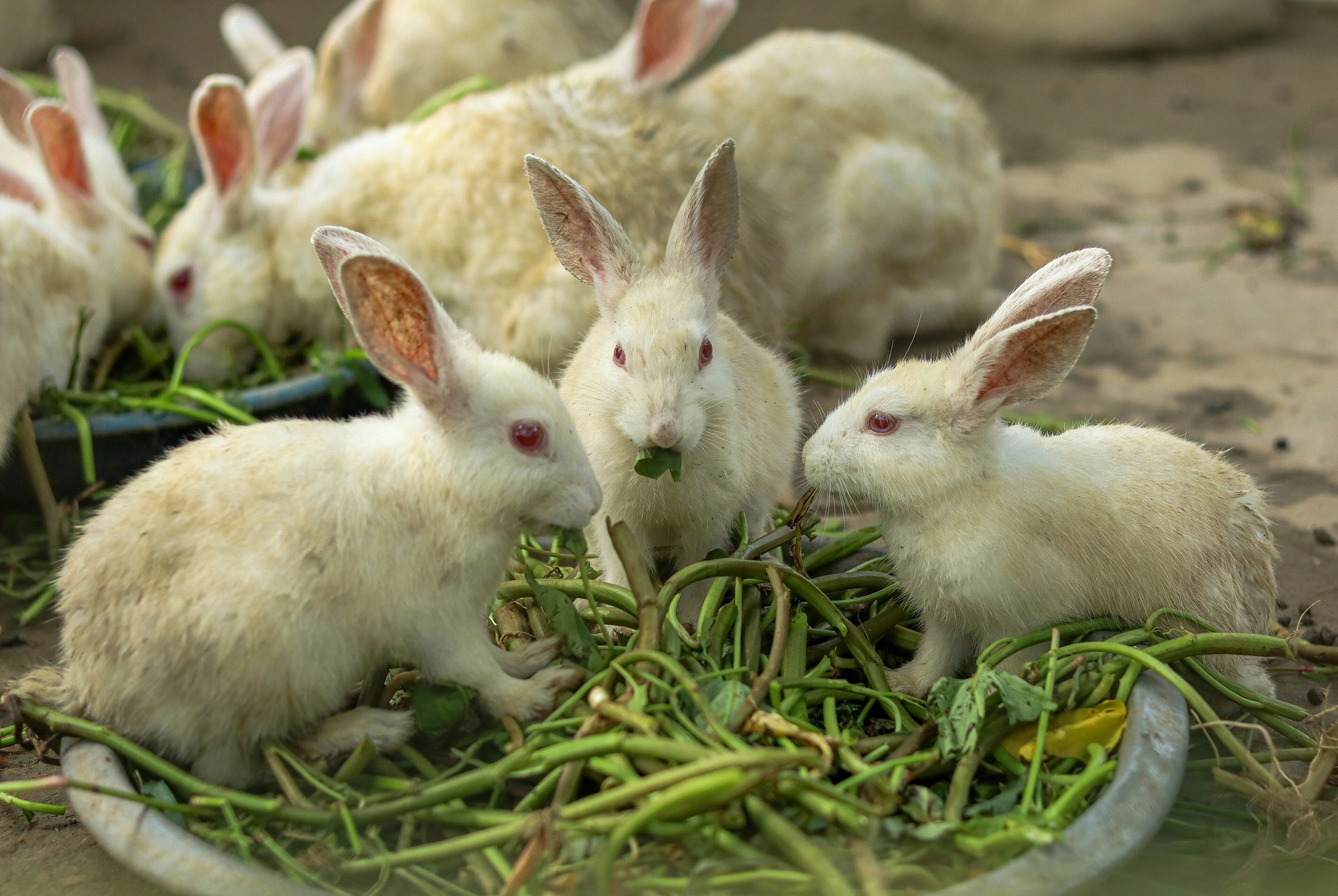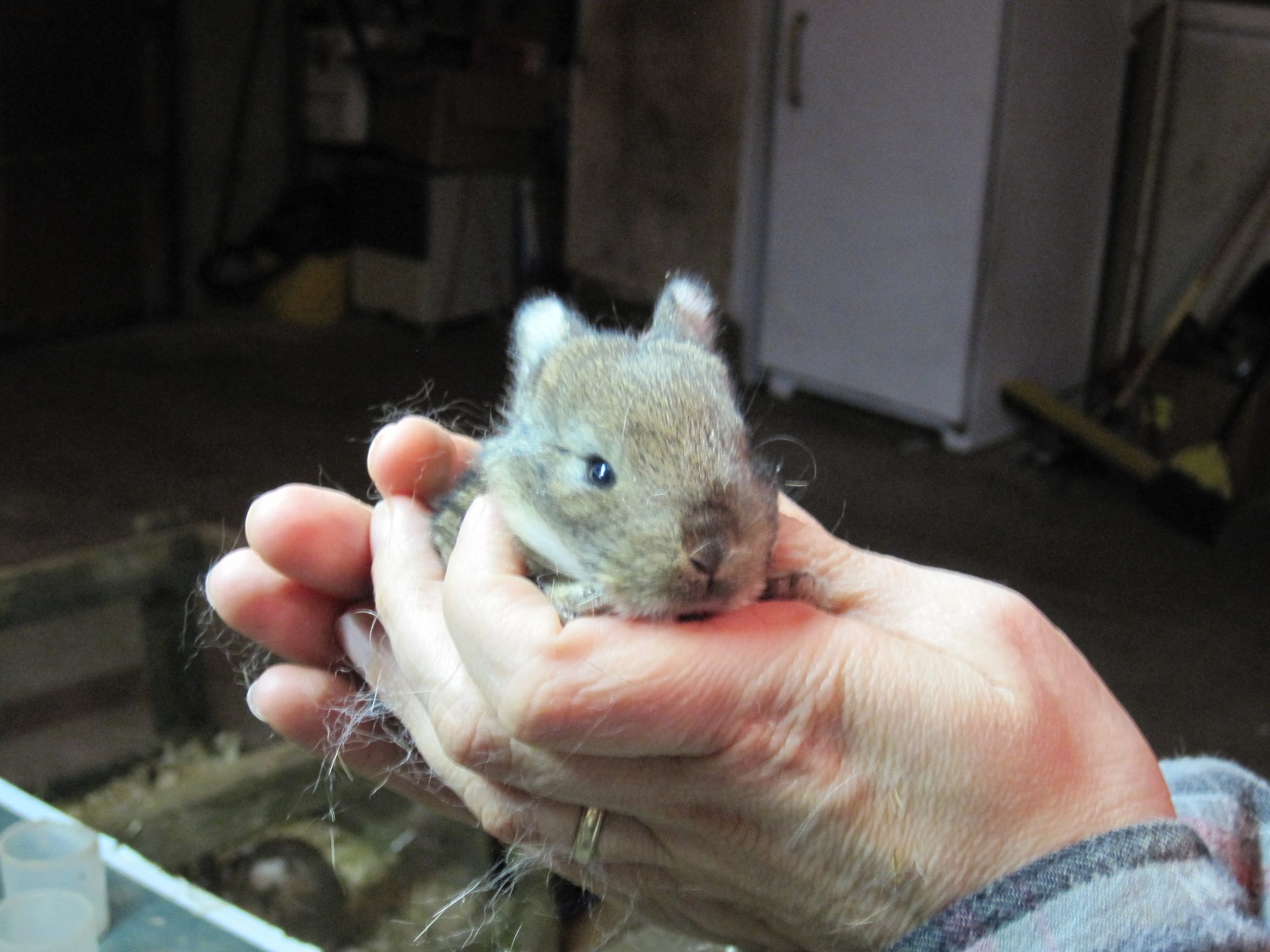
Rabbits breed all year round, but Uzbekistan's climate does not treat every month the same. Summer heat makes bucks infertile, the coldest weeks of winter threaten newborn kits, and spring greens and weaning bring losses of their own. Use this calendar as a starting point and adjust it to your own district and shed.
The vaccination and deworming timings below are general guidance. The exact schedule depends on the vaccine your vet uses, so agree a written calendar with your district veterinarian.
January
- The coldest stretch. Check every drinker each morning; in hard frost use heavy bowls and top them up with warm water several times a day.
- Keep nest boxes insulated from below and dry.
- From the second half of January, start mating again. Kits will arrive in late February and early March, after the worst of the cold.
- Give 14–16 hours of light a day to support buck fertility.
- Power cuts are more frequent in winter in rural areas, so test your backup.
February
- For does mated in late January, put in the nest box 3–5 days before the due date and check the nest for the first time within 1–3 days of kindling.
- Plan spring vaccination with your vet now, and ask whether the vaccine covers both strains of rabbit haemorrhagic disease (RHD). Rabbit vaccines are not always in stock in Uzbekistan, so ask early.
- It is fruit-tree pruning season. Keep apricot, cherry and plum prunings away from anything you feed your rabbits; they contain compounds that can release cyanide.
March
- Vaccinate as your vet advises. Myxomatosis and RHD are partly spread by insects, so it makes sense to have protection in place before mosquito and flea season.
- Deworming is usually done 10–20 days before vaccination.
- First spring greens: introduce them gradually over 5–7 days, and feed them dry. Wet, dewy or heated-up wilted greens are a common cause of fatal bloat and diarrhoea.
- Once the weather lets cages dry out completely, do a spring deep clean and disinfection.
April
- The best breeding month of the year. To cover the summer dip, aim for a few more litters than usual in April and early May.
- Weaning season begins. The 20–30 days after weaning are the most dangerous time for young rabbits: no sudden feed changes, no crowding, dry cages. Coccidiosis thrives in warm, damp, dirty conditions.
- Rabbits that eat fresh-cut grass need deworming more often, roughly every 3 months; fully caged rabbits roughly every 6 months.
May
- Prepare for the heat before it arrives: check fans, cooling pads, shade netting, roof insulation and backup power, and fill the freezer with water bottles.
- Clip the bucks' coats in late May.
- If your shed is not cooled, treat matings that would kindle in June as higher-risk.
June
- Heat season. When temperatures stay above about 29 °C for several days, bucks can become temporarily infertile.
- Do not crowd growing rabbits: no more than 18 per m² or 34 kg per m².
- Do not delay weaning. In trials, longer lactation in summer increased losses.
- Leave nest boxes open during the day.
July
- Usually the hottest month. Check water at least twice a day: a growing rabbit drinks much more at 30 °C than at 18 °C.
- Handle, move and mate rabbits only in the early morning or the cool of the evening.
- Note which does and bucks are still producing litters. Those are the animals to keep for breeding.
August
- The heat goes on, and many summer matings fail. Do not rely on them.
- Buy lucerne and hay for winter while they are available, and store them dry and off the ground. Weigh one bale so you know how much hay you really have.
September
- Buck fertility recovers slowly, so allow 8–10 weeks after the heat breaks. Expect repeat matings, and palpate does 10–14 days after mating to check.
- Do an autumn deep clean and disinfection.
- Review your records: which does raised good litters and which lost them.
October
- The second-best breeding window. A doe mated in early October kindles in early November, before the hard cold.
- Winter preparation: foam or cardboard under nest box floors, roof leaks and cage-level drafts sealed, heavy water bowls ready, lights and timer checked.
- Cull does that build poor nests. They are the ones most likely to lose winter litters.
November
- Early November matings are fine. Avoid mating from mid-November to early December: those does would kindle in the coldest stretch, at the end of December and start of January.
- Stock up on dry bedding such as sawdust, straw or rice husk.
- If you use a heating cable, test it and its thermostat now.
December
- Litters from October matings are growing. Keep their water from freezing.
- Plan the coming year: mating schedule, vaccination dates, replacement does and, if needed, a buck from an unrelated line.
- A December mating puts kindling into January, the coldest month. Only mate does that have already proved they build a good nest in frost.
Common mistake: Treating August and September as normal breeding months. A buck that came through the July heat can look perfectly healthy and still be infertile for weeks. Test-mate, check the doe after 10–14 days, and expect some misses.