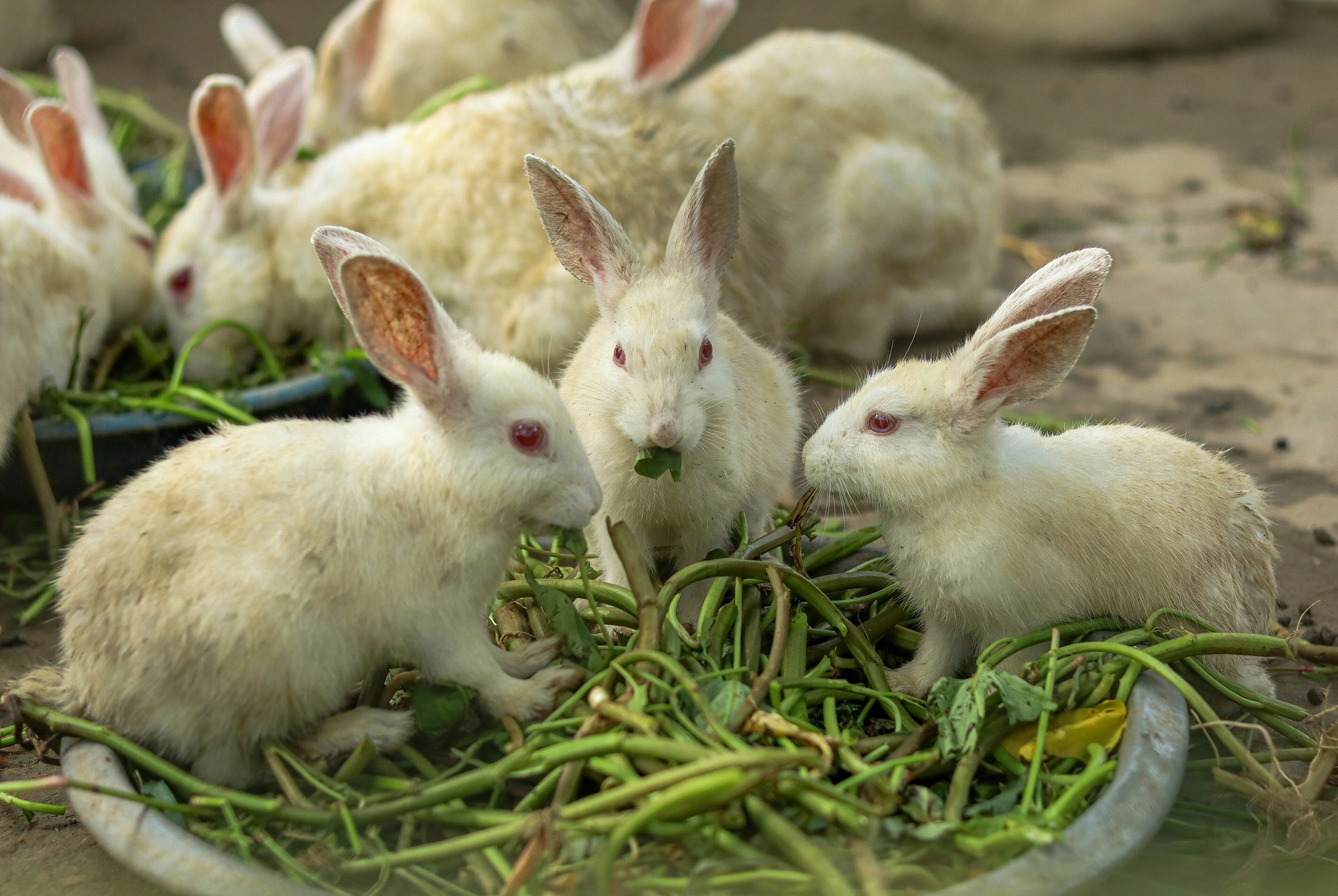
Winters in much of Uzbekistan drop to −15 °C, even −20 °C, on the coldest nights. Healthy adult rabbits in a dry, draft-free cage cope with that well; breeders in far colder climates have kept rabbits outdoors for decades. What kills in winter is something else: newborn kits getting chilled, water freezing, and damp, stale air in a shed that has been closed up too tightly.
Winter litters: all or nothing
Reports from farmers in cold regions show a clear pattern. Winter litters either almost all survive or almost all die. At −18 °C one farmer lost a whole litter in an insulated nest box. Another had a litter born on 10 November come through ten days below −30 °C without a single loss. The difference was not the thermometer. It was the doe, the nest, and the floor underneath it.
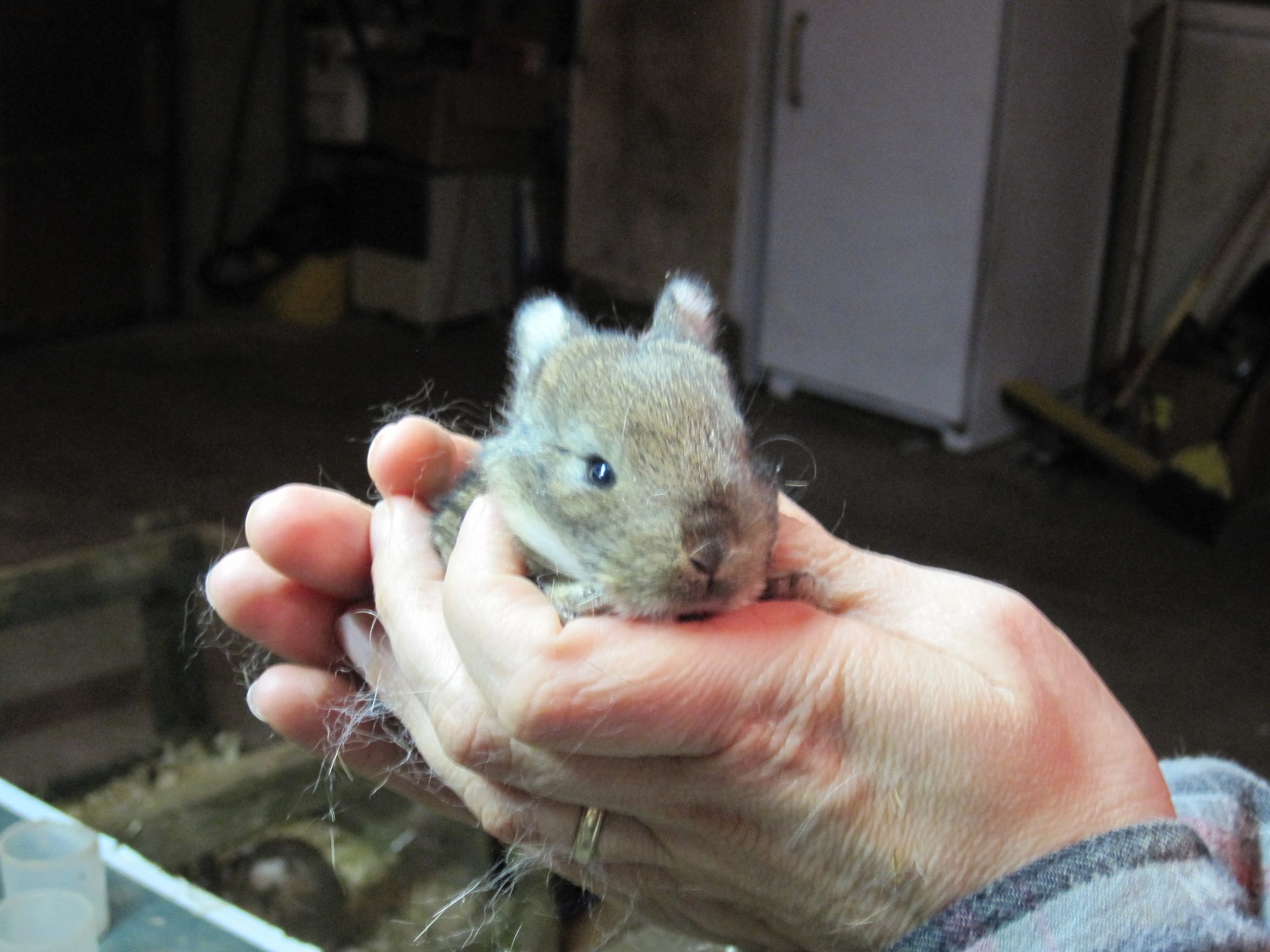
Why does the nest matter so much? A doe nurses her kits only about once a day, for about three minutes. For the rest of the day the naked kits keep each other warm inside the nest. That is also why a litter of 2–3 kits in January is riskier than a litter of 8: a small huddle loses heat faster. Kits grow fur at 5–7 days, open their eyes at 9–12 days and start leaving the nest at 16–20 days.
Insulate the nest from below
Kits most often freeze from the floor up. Before covering them with fur, the doe digs the nest downward, so the litter ends up lying on the coldest surface.
- Put a slab of polystyrene foam at least 1 cm thick under the nest box floor, cut to size. Breeders in cold climates report it working as well as an electric heat pad down to −20 °C.
- No foam? A layer of wood shavings between two sheets of cardboard also helps.
- Insulate the box on the outside only, and never with glass wool. The fibres work their way into the nest.
A good winter nest box measures roughly 50–56 × 35–40 × 30 cm inside. Build it from 2.5 cm boards or double plywood, with a lid and a side door for checking. The entry hole should be 15–20 cm across, set 10–15 cm above the floor, with a cloth flap over it. Fill it with shavings topped with 15–20 cm of dry hay or straw. The box should lift out of the cage.
Choose the right does
- Keep does that build their nest early, pull plenty of belly fur and close the entrance with hay themselves.
- If a first-time doe pulls no fur, pluck a little from her belly yourself, gather the kits and cover them, and do not breed her in winter again.
- In hard frost, rime on the inside walls of a closed nest box means the kits are breathing. You do not need to open the box to check.
Heating: a little, and only briefly
Heat is needed only for the first 3–5 days, and above all during the birth itself, before the doe has covered the wet kits. If you do heat:
- Use a low-power self-regulating heating cable under a plywood false floor. It cannot overheat.
- Never run heating without a thermostat when the air is above freezing.
- Do not use infrared heat lamps in a wooden shed full of dry straw. The fire risk is real.
- For getting does pregnant, light helps more than heat: 14–16 hours of light a day from a simple lamp improves buck semen quality.
Water that does not freeze
A rabbit without water is in danger within 24–48 hours, and sooner in frost. A nursing doe can drink up to 2 litres a day.
- Nipple drinkers and bottles freeze first. In deep frost, switch to heavy, straight-sided bowls and refill them with warm water 3–4 times a day.
- Have fresh water in the cage the day before kindling. A thirsty doe is more likely to eat her kits.
- Check every drinker by hand each morning.
Drafts and ventilation are not the same thing
Sealing every gap feels warm, but ammonia and damp build up quickly, and damp air chills rabbits more than dry cold does.
- Block the wind at rabbit level. In winter, air moving past the animals should stay below about 0.3 m/s.
- Keep fresh air exchanging higher up in the shed. If the walls drip with condensation or the air smells sharp, you need more ventilation, not less.
- Humidity above about 75% is a warning sign.
- Keep bedding dry and clean trays more often, because wet manure freezes to the floor.
Winter mating calendar
Pregnancy lasts 31–32 days, and the dangerous window is kindling day plus about five days.
- Mate in early October, and kits arrive in early November before the hard cold.
- Avoid matings from mid-November to early December. They put kindling into the coldest stretch at the end of December and start of January.
- Resume in the second half of January for litters in late February and early March.
- One Russian breeding calendar treats matings from November through August as normal where winters reach −10 to −20 °C. The timing above simply keeps kindling out of the coldest two weeks.
Reviving a chilled kit
Warm it gradually: hold its body, never the head, in water no hotter than 38 °C for 5–10 minutes, then dry it thoroughly and tuck it back under the fur. Alternatively, warm it slowly in a room at 20–25 °C, but not next to a heater. Warming too fast can kill.
Common mistake: Setting the nest box on bare wire or concrete and piling more hay on top. Kits freeze from below. A layer of foam or cardboard under the floor matters more than extra hay above.